
WHAT SEEDS WILL TAKE?
REFLECTION · November 16, 2026 · The Place
The realtor's swath was already there when we came to the place.
It had been deliberately cut through the trees to open a view of the pond and make the property more attractive to buyers. The immediate purpose was served. The slash, broken limbs, and timber were left scattered across the slope.
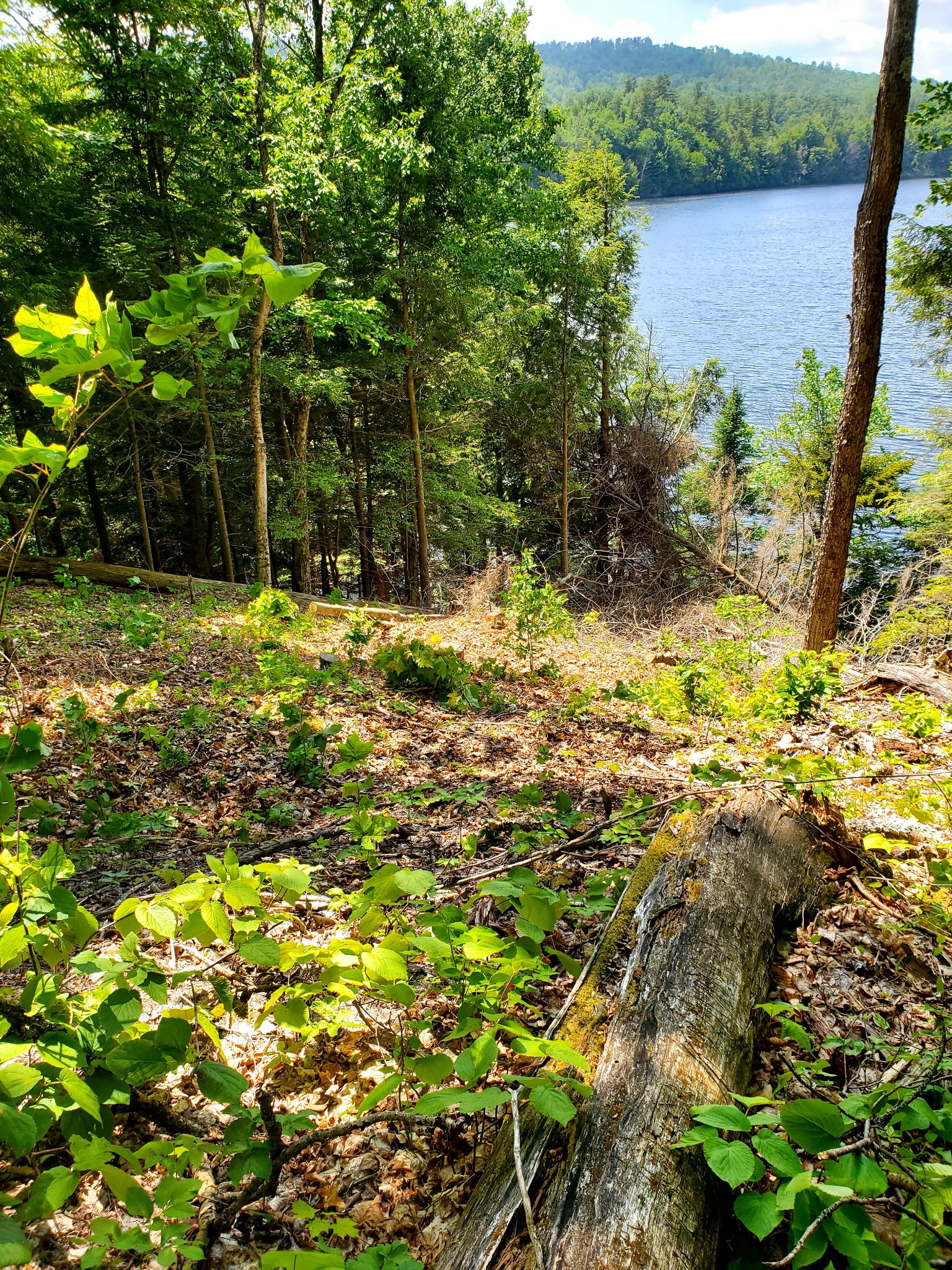
We inherited the disturbance.
We cleaned up what remained, hauled away the downed timber, and sowed Northeast wildflower seed across the exposed ground.
By spring, seedlings were appearing. Along the edges, we had also planted blueberry, ninebark, and hazelnut. We weren't trying to maintain a permanent clearing. Whatever trees and shrubs returned naturally would be allowed to establish themselves.
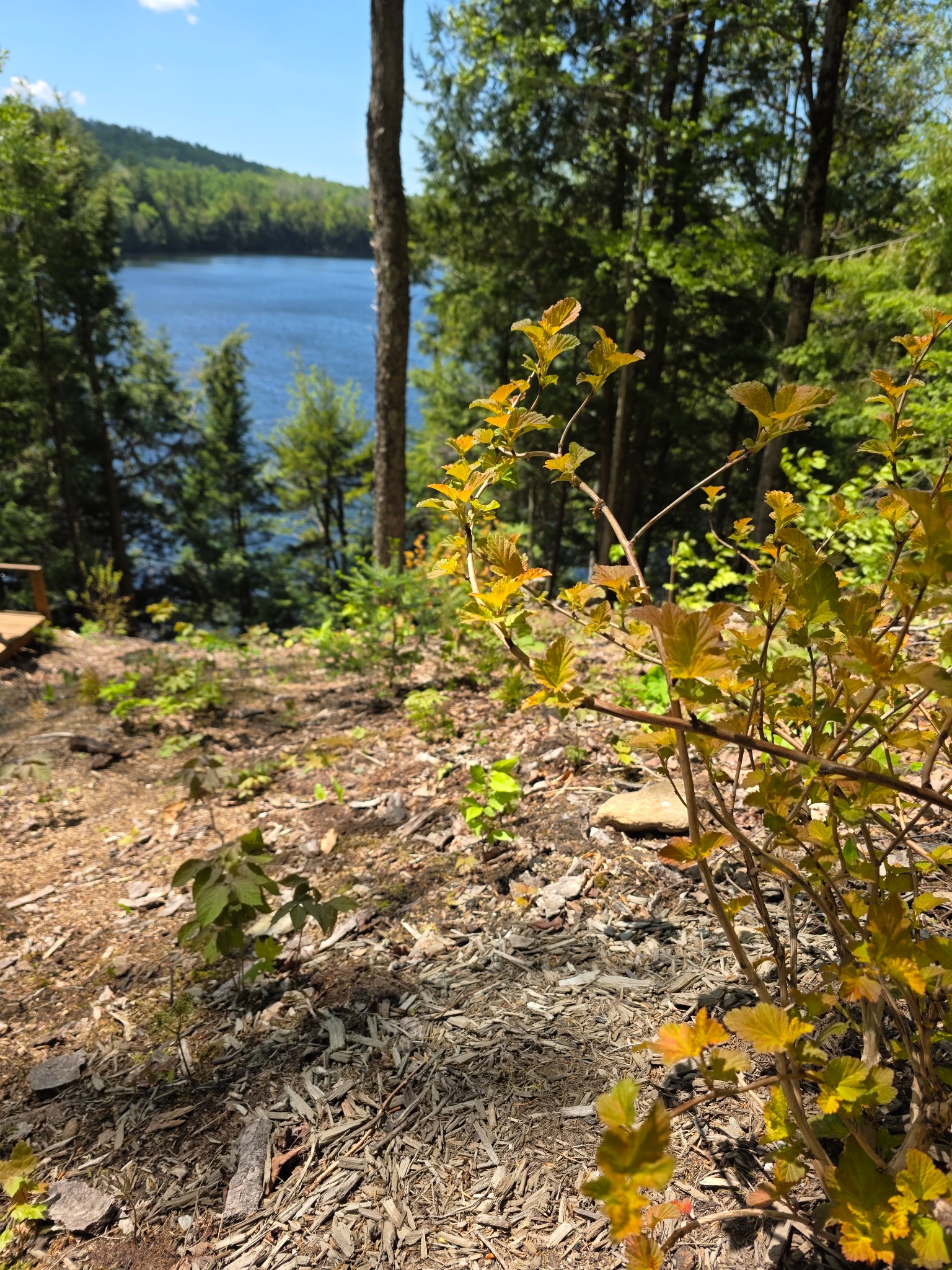
Some of what we planted had begun to grow. What would survive and eventually occupy the slope remained unknown.
I've been thinking about that work while watching what is happening in Washington.
Project 2025 was a deliberate plan to alter the federal government. Its authors identified institutions to restructure, positions to fill, policies to implement, and obstacles they wanted removed.
Much of that work is underway. Senior military leadership has changed. Thousands of federal policy positions have been reclassified, reducing longstanding removal protections. Immigration enforcement has expanded. Some changes have taken hold. Others remain contested.
But while Project 2025 was being implemented, the Heritage Foundation was already working on its next presidential transition effort, Project 2029.
In April 2025, its president, Kevin Roberts, spoke of a political movement planning twenty-five or thirty years into the future.
That is a different horizon from the one facing Donald Trump.
He will be eighty-two when his presidency ends.
He cannot appoint his way out of that body. Nor can he order time to stop.
The movement, however, is preparing for what comes afterward.
Trump has his own interests to protect. The people developing the next political program have theirs. Those interests need not be identical to reinforce one another.
What serves an administration today may establish something that outlasts it.
And the arrangements are already being made.
The November elections have given Democrats control of both chambers of Congress beginning in January. Meanwhile, the Pentagon has extended the National Guard deployment in Washington through January 20, 2029, subject to earlier termination.
Beneath the new White House ballroom, a multi-story underground military and security complex is reportedly nearing completion. It is intended to replace the former East Wing bunker with expanded emergency shelters, medical facilities, and hardened security infrastructure. A separate presidential emergency bunker already exists elsewhere beneath the White House complex.
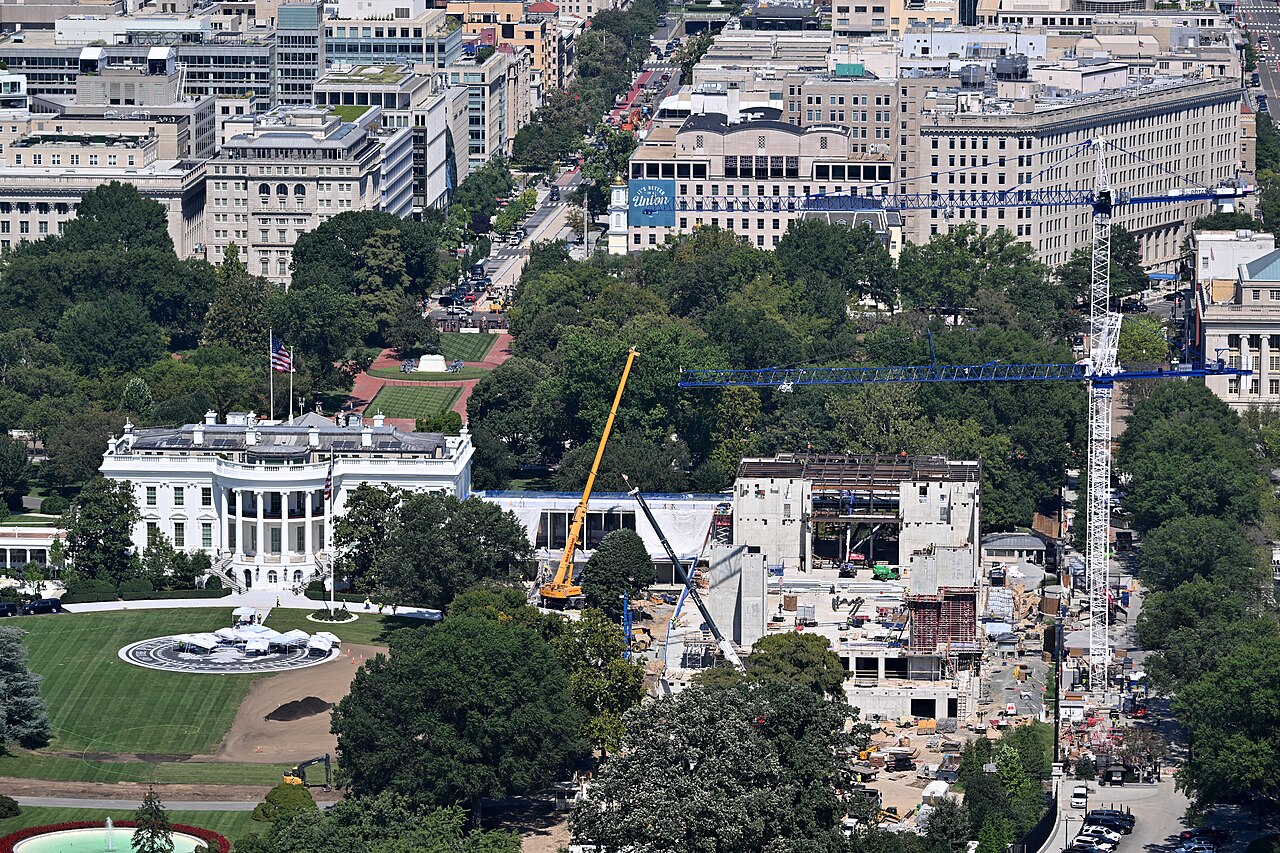

Each has its stated purpose. None establishes, by itself, an intention to prevent the next transfer of power.
But the ground on which that transfer will occur is being altered.
I've been thinking about the difference between preparing for an emergency and preparing to use one.
The reshaped military command, the expanded enforcement, the forces positioned in Washington—all of them are already in place. Preparations made for one circumstance may be available in another.
An election is held. The result is challenged. An emergency is declared, or one actually develops. Someone issues an order.
Then the question is no longer what was prepared, but what those preparations are being used to accomplish.
And whether the people receiving the order will carry it out.
Or refuse.
At the place, the realtor had a particular outcome in mind. He could cut the trees and expose the view. Once the property was sold, he could leave. The altered slope remained.
We were left with the consequences and the choice of what to do next.
The people who alter a place are not necessarily the ones who live with what follows. Their immediate purpose may be accomplished long before the consequences become apparent.
And removing what was left behind does not restore what was there before.
The same may be true of institutions. An administration ends, officials depart, policies are reversed. But some of what was changed remains. Those who come afterward must decide what to preserve, what to remove, and what to attempt in its place.
At the swath, the wildflower seeds germinated that first spring. Other plants are returning. What will survive another winter and establish itself remains to be seen.
The slope is already different from the one we inherited.
The work is done for now.
What seeds will take?