CONTACT / FIELD NOTES
Field Scrawl accepts corrections, local knowledge, species notes, historical leads, careful observations, and reader responses tied to the Ledger.
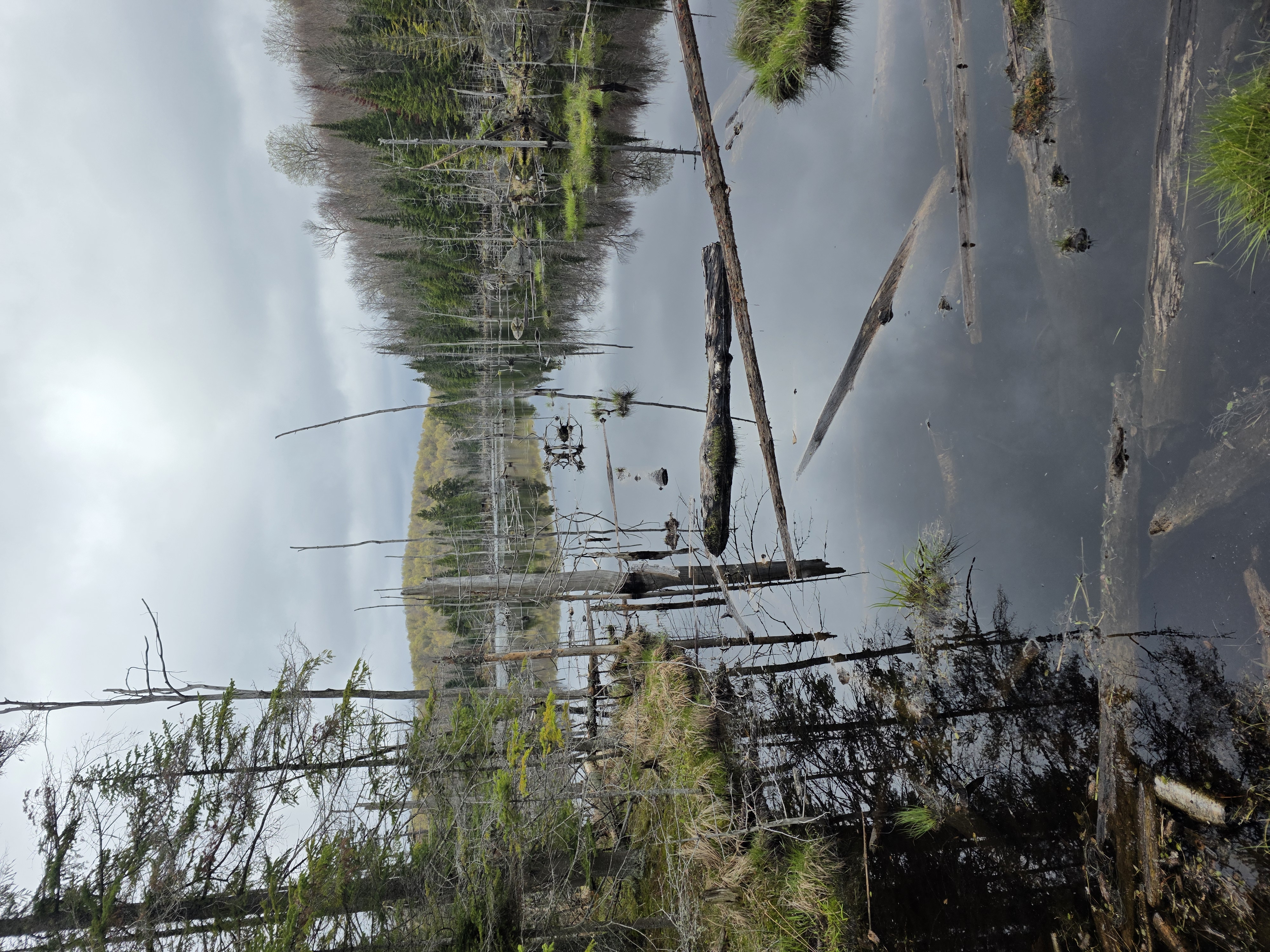
The Place is named as a field station, not as an address. Most records are rooted in the Little Salmon River watershed and the northern Adirondack field around it. When exact locations are withheld, the page title, date, photograph, species, weather, and field description become the working coordinates.
PROCESS NOTE
This Field Scrawl is field-based and human-authored. The observations, memory, photographs, measurements, final judgment, and responsibility for accuracy are mine.
I use AI as an assistive tool for structure, syntax, coding, comparison, and inquiry. It helps me test language, sort evidence, and ask better questions, but it does not replace the field record or make the final claim.
The record begins outside, in direct observation. The final responsibility remains with the observer.
For a field example of that distinction, see Then the Kingfisher Arrived, including its addendum.
METHOD / USE / PERMISSION
Field Scrawl and Narrative Audit are authored field-record methods developed by J. Kelly Nolan from benthic taxonomy, watershed observation, nursing triage, and long-term place-based recordkeeping.
The Field Scrawl method includes its working language, structure, and record categories, including the Four Horizons, Witness Species, the Ledger, the Auditor, and related terms used throughout this site.
Readers may quote brief passages with credit and may respond with corrections, local knowledge, species notes, or careful observations. The pages, photographs, field structure, terminology, and method may not be repackaged as a curriculum, workshop, field system, commercial product, training material, or derivative project without written permission.
Field Scrawl is not offered as a generic nature-journaling template. It is an authored record system. Any educational, institutional, commercial, or derivative use should begin with written contact and clear attribution.
© J. Kelly Nolan. All rights reserved.
If writing about a specific entry, please include the page title.
Contact:
fieldscrawl@rwaa.us
The Watershed Ledger | Forensic Record: The Place